
Ghungroos are small bells made of brass with small iron balls inside. These bells are either strung together by cords or woven into a belt and they produce sounds of varying pitches depending on the metallic composition and its size. A dancer can wear anything between 50 to 200 bells knotted together.
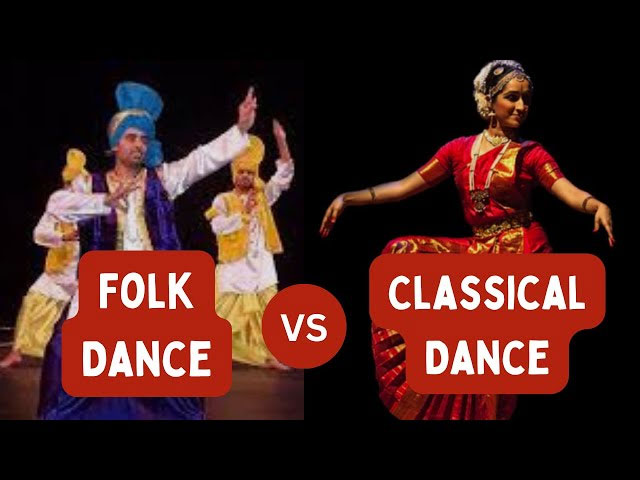
Ghungroo holds a vital and important place in Indian Classical Dance. It acts not only as an instrument producing sound but also as an ornament, worn around both ankles.
When a dancer taps her feet it creates a sound, thus serving to accentuate the rhythmic aspect of the dance. When the rhythmic patterns get complex, the footwork becomes equally complex and the sound produced by the ghungroo gives it a precision and an aesthetic quality.